Joy Mental Fitness | Therapy for High Functioning Autism in Jersey City
Have you ever stepped off the PATH train at Exchange Place, only to feel like the roar of the arriving train and the flash of city lights were physically painful? Do you collapse onto your couch in your Jersey City apartment after a standard workday, completely unable to answer a text message, cook dinner, or decide what to do next?
If you are on the autism spectrum, you might know what it feels like when your physical, cognitive, and emotional battery hits absolute zero. When basic daily tasks leave you feeling deeply paralyzed, you may be experiencing autistic burnout symptoms. This intense state of exhaustion occurs when the cumulative stress of navigating a world built for neurotypical brains completely overpowers your ability to cope.
Recognizing autistic burnout symptoms early is essential to protecting your long-term well-being and finding a path back to balance.
What Are Autistic Burnout Symptoms?
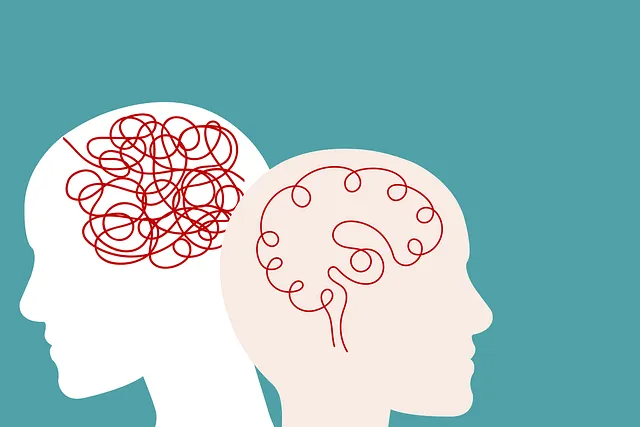
To understand autistic burnout symptoms, it helps to look at the massive energy cost of going through life when your nervous system processes information differently. Autistic burnout goes far beyond standard tiredness. It is a severe, chronic state of nervous system depletion, reduced executive function, and heightened sensory sensitivity.
It is primarily driven by years of “masking”, forcing eye contact, suppressing stimming, and manually scripting conversations to conform to neurotypical societal standards. In daily life, this crash manifests in several distinct ways:
- Executive Function Loss: You suddenly struggle with routine decisions, planning meals, organizing your desk, or keeping up with basic household chores.
- Heightened Sensory Overload: Background sounds along Hudson Street or bright fluorescent office lighting suddenly trigger intense physical discomfort or distress.
- Loss of Masking Ability: You no longer have the neurological bandwidth to force polite smiles, engage in small talk, or suppress your body’s natural self-soothing movements.
Is It Depression or Autistic Burnout?
A common question many people ask when seeking help is: Is it depression or autistic burnout? While they share overlapping features like deep fatigue and social withdrawal, they are fundamentally different experiences.
Depression is typically characterized by anhedonia, a loss of interest or pleasure in activities you usually enjoy. In classic depression, you might not want to engage in a favorite hobby because it feels meaningless.
With autistic burnout, you often deeply want to engage in your special interests or hobbies, but your brain simply lacks the physical and cognitive energy to do so. Furthermore, while depression often responds well to traditional behavioral activation (pushing yourself to get active), forcing yourself to “power through” autistic burnout only worsens the crash. True recovery requires sensory rest, accommodation, and reduced demands.
Causes and Real-Life Triggers
Autistic burnout does not happen overnight. It is the result of long-term, unmanaged stress and a lack of environmental support. Primary causes include:
- Persistent Masking: Pretending to process the world like a neurotypical person to avoid social rejection or professional penalties.
- Sensory Overload: Living and working in fast-paced, noisy urban environments without adequate time to decompress.
- Major Life Changes: Navigating job transitions, moving apartments, or adjusting to new routines without enough processing time.
Real Strategies for Autistic Burnout Recovery
Healing from a burnout crash requires shifting away from “trying harder” and moving toward honoring your natural brain wiring:
- Drastically Reduce Demands: Strip away non-essential responsibilities. Order takeout, pause optional social plans, and let non-urgent tasks wait.
- Create Low-Arousal Spaces: Designate a quiet sensory sanctuary in your home with dim lighting, weighted blankets, and noise-canceling headphones.
- Practice Safe Unmasking: Allow yourself to drop the act in supportive environments. Let yourself stim, avoid forced eye contact, and take quiet breaks when needed.
- Set Firm Energy Boundaries: Establish clear limits at work and in personal relationships to protect your nervous system before you reach empty.
Find Compassionate Therapy Support in Jersey City
Living in a fast-paced environment while carrying the weight of unmanaged burnout can leave you feeling completely depleted. At Joy Mental Fitness, our therapists provide compassionate, neurodivergent-affirming therapy designed to help you recognize your unique needs, unmask safely, and build a sustainable lifestyle that honors your nervous system.
Joy Mental Fitness – Jersey City Office
📞 Phone: 201-896-7171
(We also provide flexible telehealth options across New Jersey, New York, Massachusetts, and Connecticut.)
Reach out to Joy Mental Fitness today to schedule your consultation and take the first step toward understanding your brain, honoring your limits, and recovering your balance.