Joy Mental Fitness | Therapy for High Functioning Autism in Boston
Have you ever walked out of a meeting near Copley Square, thoroughly exhausted not from the work itself, but from the immense energy it took to force eye contact, suppress your fidgeting, and process the room’s sensory overload? Do you constantly feel like you are using an invisible script just to navigate daily interactions, only to return home to your Back Bay apartment feeling completely drained?
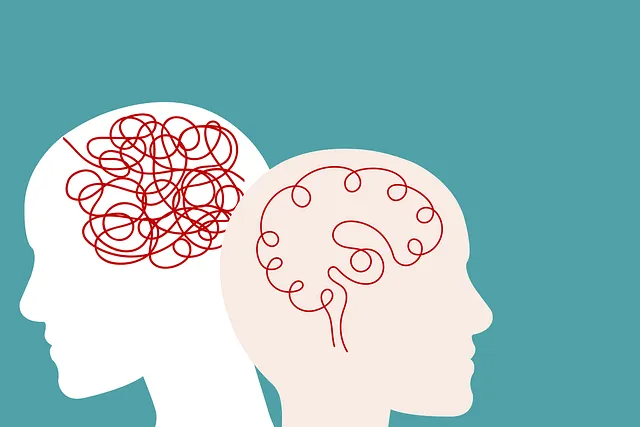
If you are ADHD, autistic, or otherwise neurodivergent, this daily exhaustion is often the result of “masking”, hiding your natural traits to fit into a neurotypical world. For years, mental health care often tried to “fix” these differences. However, seeking support shouldn’t mean trying to fit your brain into a mold it was never meant for. That is where neurodivergent affirming therapy comes in.
Working with a skilled neurodivergent counselor can help you shift from trying to “fix” who you are to understanding and supporting how your brain naturally operates.
What Does Neurodivergent-Affirming Mean?
To understand neurodivergent affirming therapy, it helps to first look at the neurodiversity paradigm. This perspective views neurological differences, such as Autism, ADHD, Dyslexia, and Tourette’s, as natural variations of the human brain, rather than illnesses or deficits that need to be cured.
When a practice or clinician is “neurodivergent-affirming,” it means they do not view your innate traits as pathology. Instead of asking, “How can we make you act more neurotypical?” a neurodivergent counselor asks, “How can we adapt your environment and routines to support your unique brain?”
In daily life, being in an affirming environment means:
- Your need for movement or stimming while listening is respected, not discouraged.
- Sensory processing sensitivities (like light or sound discomfort) are validated as real physical experiences.
- Your unique communication style is valued rather than labeled as “awkward” or “wrong.”
How Is It Different From Traditional Therapy?
Traditional mental health approaches have historically relied on a medical model of disability. In traditional therapy, goals might center around changing behaviors to conform to societal norms, such as forcing eye contact, training away self-soothing behaviors, or pushing through extreme burnout to maintain standard productivity.
Neurodivergent affirming therapy flips this script entirely. Here is how the two approaches compare:
- View of the Client: Traditional therapy often views neurodivergent traits as symptoms to be reduced. Affirming therapy views them as natural traits that require tailored support and understanding.
- Therapy Goals: Instead of focusing on social conformity, affirming therapy focuses on self-advocacy, setting healthy boundaries, managing sensory overload, and unmasking.
- Coping Strategies: Traditional methods might suggest pushing through discomfort. An affirming neurodivergent counselor will help you identify sensory accommodations, like wearing noise-canceling headphones during your commute on the MBTA or building sensory breaks into your workday.
Imagine sitting on a bench in the Boston Public Garden. Traditional therapy might urge you to practice sitting completely still and suppressing your urge to move. Affirming therapy invites you to use a fidget tool, embrace your body’s natural movement, and focus on processing your emotions comfortably.
Why Neurodivergent-Affirming Therapy Matters in Boston
Living in a fast-paced, high-expectation environment like Boston can intensify the pressures of masking. Whether you are navigating demanding academic settings, high-tech corporate environments, or complex social landscapes, trying to function in spaces not built for your sensory or cognitive processing takes a heavy emotional toll.
Without affirming care, neurodivergent individuals frequently experience chronic anxiety, severe burnout, and depression from feeling perpetually misunderstood.
At Joy Mental Fitness, our goal is to provide a safe, compassionate space where you don’t have to translate your experiences or pretend to be someone else. We help you explore your identity, build self-compassion, design lifestyle accommodations that work for your nervous system, and unlearn the shame associated with being different.
Take the First Step Toward Authentic Healing
You don’t have to change who you are to find peace, connection, and balance. If you are looking for a supportive space to explore your unique brain, our team is here to walk alongside you.
Joy Mental Fitness – Boston Office
📞 Phone: 617-676-2688
(We also serve clients across New Jersey, New York, Connecticut, and Massachusetts through flexible telehealth options.)
Reach out to Joy Mental Fitness today to schedule a consultation with a compassionate neurodivergent counselor and begin your journey toward unmasking and authentic well-being.